 |
| Home | Contact |
Tetrakis Hydroxymethyl Phosphonium Sulfate THPS Pure and Solution, Fracturing Chemcal, SDS Safety Data Sheet of Supplier Exporter Manufacturers' Representative |
| Email: info@ammol.org |
| Call Toll Free +1-855-552-6665 Toll Free: 1-855-55-AMMOL |
Tetrakis Hydroxymethyl Phosphonium Sulfate THPS
CAS Number: 55566-30-8
Molecular Formula: [( CH2OH)4P] 2 SO4
Molecular Weight: 406.27
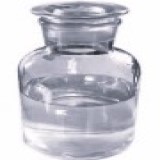
Tetrakis Hydroxymethyl Phosphonium Sulfate THPS
Tetrakis hydroxymethyl phosphonium sulfate THPS -75% SDS, Safety Data Sheet
MSDS Sheet, Material Safety Data Sheet 15-Feb-26
1. Product Identification
Product Name & Other Names: Tetrakis (Hydroxymethyl) Phosphonium Sulfate Solution (THPS, 75%).
CAS No.: 55566-30-8 for THPS
EINECS EC Number: 259-709-0
Molecular Formula: (C4H12O4P)2O4S for THPS
Molecular Weight: 406.28 for THPS
Intended Use: Oil & Gas Wells fracturing and Industrial Manufacturing.
Relevant uses and uses advised against (if any): Industrial Manufacturing.
Supplier: American Molecules, 9910 Bent Oak Dr, Houston, TX 77040, USA.
Call Toll Free: 1-855-55-AMMOL 1-855-552-6665.
In case of emergency contact: Will be given with the supply.
2. Hazards Identification
GHS, Globally Harmonized System Classification in accordance with 29 CFR 1910
Classification according to Regulation (EC) No 1272/2008
Acute toxicity, Oral: Category 3, H301
Acute toxicity, Inhalation: Category 4, H331
Skin corrosion/irritation Category 1A, B, C, H314
Specific target organ toxicity, single exposure; Narcotic effects Category 3, H336
Reproductive toxicity Category 2, H361
Specific target organ toxicity, single exposure Category 1, H370
Acute aquatic toxicity: Category 3, H412
Labeling according GHS USA & Regulation (EC) No 1272/2008
GHS Label Elements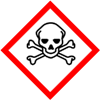 Toxic | GHS Label Elements Health Hazzard | GHS Label Elements Corrosive |
Signal Words: Danger
Hazard Statements:
H301: Toxic if swallowed.
H314: Causes severe skin burns and eye damage.
H331: Toxic if inhaled.
H336: May cause drowsiness and dizziness
H361: Suspected of damaging fertility or the unborn child.
H370: Causes damage to organs
H412: Harmful to aquatic life with long lasting effects.
Precautionary Statements:
P260: Do not breathe dust/fume/gas/mist/vapors/spray.
P262: Do not get in eyes, on skin, or on clothing.
P264: Wash contaminated parts thoroughly after handling.
P270: Do not eat, drink or smoke when using this product.
P271: Use only outdoors or in a well-ventilated area.
P273: Avoid release to the environment.
P280: Wear protective gloves/protective clothing/eye protection/face protection.
P301+P310: IF SWALLOWED: Immediately call a POSION CENTER or doctor/physician.
P314: Get medical advice/attention if you feel unwell.
P304+P340: IF INHALED: Remove victim to fresh air and keep at rest in a position comfortable for breathing.
P302+352: IF ON SKIN: Wash with plenty of soap and water.
P305+351+338: IF IN EYES: Rinse cautiously with water for several minutes. Remove contact lenses if present and easy to do – continue rinsing.
P360: Rinse immediately contaminated clothing and skin with plenty of water before removing clothes.
P403 P404: Store in well-ventilated place. Keep container tightly closed.
P501: Dispose of contents/container in accordance with local/national regulation.
3. Composition/Information on Ingredients
Product Name & Other Names: Tetrakis (Hydroxymethyl) Phosphonium Sulfate Solution (THPS, 75% in water).
CAS No.: 55566-30-8
EINECS EC Number: 259-709-0
Percentage: 70-80% (Typically 75% in water).
4. First Aid Measures
Inhalation: Remove affected person to fresh air; if normal breathing has not returned within a few minutes after exposure, get medical attention.
Skin: Remove contaminated clothing; wash affected area with soap and water; launder contaminated clothing before reuse. Seek medical attention.
Eyes: Immediately, flush eyes for 15 minutes in clear running water while holding eyelids open; seek medical attention immediately.
Ingestion: Drink two glasses of water followed by milk, milk of magnesia or other non-alcoholic liquids; Do not induce vomiting; seek medical attention immediately.
Physician may treat symptomatically.
5. Fire Fighting Measures
Flash Point: 96C (204° F)
Flammable Limits:
LEL: Not Applicable
UEL: Not Applicable
NFPA CLASS: IIIB
General Hazards: Contact with eyes causes immediate severe irritation of the eye and eyelids. Product will support combustion.
Extinguishing Media: Carbon dioxide, water fog, dry chemical, chemical foam.
This product would not be expected to burn unless all the water is boiled away. The remaining organics may be ignitable. Keep containers cool by spraying with water. Use extinguishing media appropriate for surrounding fire.
Fire & Explosion Hazard: May evolve oxides of carbon (COx) under fire conditions. May evolve oxides of phosphorus (POx) under fire conditions. May evolve oxides of sulfur (SOx) under fire conditions.
In case of fire, wear a full face positive-pressure self contained breathing apparatus and protective suit. Self - contained respiratory equipment; cool containers to prevent pressure buildup and possible explosion when exposed to extreme heat. Caution - material will support combustion!
Unusual Fire and Explosion Hazards: Closed containers of THPS can explode due to buildup of pressure when exposed to extreme heat.
Hazardous Combustion Products: Products of combustion include smoke, toxic fumes, oxides of carbon to include carbon monoxide, phosphorous oxides, phosphine and sulfur oxides.
Special Information: In the event of a fire, wear full protective clothing and NIOSH-approved self-contained breathing apparatus with full face piece operated in the pressure demand or other positive pressure mode. At high temperatures under fire conditions, it may produce toxic or irritating fumes.
6. Accidental Release Measures
Personal precautions, protective equipment, and emergency procedures: Avoid breathing dust/fumes/gas/mist/vapors/spray. Use individual protective equipment (waterproof boots, suitable protective clothing, safety glasses, etc.).
Environmental precautions: Do not let the product enter drains, soil, or water sources.
Methods and materials used for containment Cleanup procedures and Storage: Do not inhale dust, vapors, mist, or gas. Avoid dust formation. Contain spilled material. Cover with an inert, non-combustible absorbent material, (e.g. sand, earth, diatomaceous earth, vermiculite). Use a shovel to put the material into a convenient waste disposal container. Finish cleaning by spreading water on the contaminated surface and allow to evacuate as per law. THPS will support combustion. Avoid contact with eyes.
7. Handling and Storage
Precautions for safe handling: Apply according to good manufacturing and industrial hygiene practices. Ensure proper ventilation. In case of insufficient ventilation, wear suitable respiratory equipment. Wash thoroughly after handling. Do not drink, eat, or smoke while handling. Avoid contact with skin, eyes, and clothing. Minimize dust generation. Avoid breathing dust/fumes/gas/mist/vapors/spray. Keep container tightly closed. Avoid ingestion and inhalation. Use individual protective equipment (waterproof boots, suitable protective clothing, safety glasses, etc.). Prevent any contact with hot surfaces.
Conditions for safe storage, including any incompatibilities: Store in cool, dry, and ventilated area away from heat sources and protected from sunlight in tightly closed original container. Keep air contact to a minimum. Store protected from heat, sparks and ignition sources and incompatible materials. Avoid inhalation of dust/mist/vapor. Do not store with incompatible materials like strong oxidizing agents and strong bases. This material will support combustion. Keep this and other chemicals out of reach of children.
8. Exposure Controls/Personal Protection
Engineering Controls: The use of local exhaust ventilation is recommended to control emissions near the source. Provide mechanical ventilation of confined spaces. Use corrosion-resistant, explosion-proof ventilation equipment.
Exposure Limits: ACGIH-TLV 2mg/m3 TWA; OSHA-PEL 2mg/m3
Ventilation System: A system of local and/or general exhaust is recommended to keep employee exposures as low as possible. Local exhaust ventilation is generally preferred because it can control the emissions of the contaminant at its source, preventing dispersion of it into the general work area.
Personal Respirators (NIOSH Approved): For conditions of use where exposure to dust or mist is apparent and engineering controls are not feasible, a particulate respirator may be worn. For emergencies or instances where the exposure levels are not known, use a full-face positive-pressure, air-supplied respirator.
Skin Protection: Wear protective gloves and clean body-covering clothing.
Eye Protection: Use chemical safety goggles and/or full face shield where dusting or splashing of solutions is possible. Maintain eye wash fountain and quick-drench facilities in work area.
Other Control Measures: Maintain good housekeeping in work area. Dust deposits on floors and other surfaces may pick up moisture and cause the surfaces to become slippery and present safety hazards. Handle in accordance with good industrial hygiene and safety practice.
9. Physical and Chemical Properties
Appearance: Colorless liquid
Odor: Typical odor
Odor threshold: Not available.
pH: about 3 to 5
Relative density: Varies with assay.
Melting point/freezing point: Not available.
Boiling Point: 108-109C or 229F
Flash point: No data found.
Auto-ignition temperature: No data found.
Decomposition temperature: No data found.
Upper/lower flammability or explosive limits: No data found.
Vapor Pressure (MM Hg): 1.7 kPa @ 25C
Vapor Density (Air = 1) : >1
Evaporation Rate (water = 1) : <1
Flammability (solid, gas): Not available.
Partition coefficient: n-octanol/water: No data found.
Solubility in Water: Complete
Viscosity: Like that of water.
10. Stability and Reactivity
Stability: Tetrakis Hydroxymethyl Phosphonium Sulfate or THPS is stable at normal temperatures and operating conditions.
Conditions to Avoid: Avoid excessively high temperatures and contact with alkalis or strong oxidizing agents. Unstable at a high pH whereby it oxidizes releasing flammable hydrogen gas.
Incompatibilities: Strong Bases & Oxidizing Agent.
Decomposition: Decomposition yields carbon monoxide & dioxide, oxides of sulfur & phosphorous, formaldehyde, phosphine gas, organophosphine vapors, & hydrogen.
Polymerization: Polymerization will not occur.
11. Toxicological Information
Acute Oral Effects: Oral LD50 – Rats 248 mg/kg.
Acute Inhalation Effect: LC50 Inhalation Rat 5.5mg/14 hours
Acute Dermal Toxicity: Dermal LD50 – Rabbits 2000 mg/kg.
4-Hour Inhalation LC50: – Rats: value is 0.59 mg/l.
Reproduction: Not evaluated.
Mutagenicity: Not mutagenic in AMES Test or via micronucleus test on mice.
Carcinogenicity: THPS is not listed as a human carcinogen by OSHA, IARC, ACGIH & NTP. However, formaldehyde in it is listed.
12. Ecological Information
Toxicity to fish:
mortality LC50 - Lepomis macrochirus (Bluegill) - 97,00 mg/l - 96 h
mortality LC50 - Oncorhynchus mykiss (rainbow trout) - 94,00 mg/l - 96 h
Toxicity to daphnia and other aquatic invertebrates: LC50 - Daphnia (water flea) - 15,00 mg/l - 48 h
Toxicity to algae: EC50 - Algae - 0,2 mg/l - 96 h
Neither COD nor BOD data are available. Biodegradation measured at >20% within a 28-day period (OECD 302B).
Results of PBT and vPvB assessment: This substance/mixture contains no components considered to be either persistent, bioaccumulative and toxic (PBT), or very persistent and very bioaccumulative (vPvB) at levels of 0.1% or higher.
Tetrakis (Hydroxymethyl) Phosphonium Sulfate or THPS is not expected to bio-accumulate.
Based on hazard characterization, the potential environmental hazard is Moderate.
13. Disposal Considerations
Dispose of THPS in accordance with Local, State, and Federal Regulations. Consult local, state, or Federal Environmental Protection Agency before disposing of any chemicals.
14. Transport Information
DOT USA, TDG Canada & ADR/RID Europe
Proper Shipping Name: Corrosive liquids, toxic, n.o.s. Tetrakis (Hydroxymethyl) Phosphonium Sulfate
UN#: 2922
Class: 8; Packing Group: Packing Group III
Hazard Label: Corrosive Toxic substances.
IMDG/IMO & IATA/ICAO
Proper Shipping Name: Corrosive liquid, toxic, n.o.s.
Proper Shipping Name: Corrosive liquids, toxic, n.o.s. Tetrakis (Hydroxymethyl) Phosphonium Sulfate
UN#: 2922
Class: 8; Packing Group: Packing Group III
Hazard Label: Corrosive Toxic substances.
15. Regulatory Information
UNITED STATES REGULATORY INFORMATION
California Prop 65, Safe Drinking Water and Toxic Enforcement Act of 1986: This product may contain a maximum of 0.09% formaldehyde known to the state of California to cause cancer.
Section 16 - Additional Information
European/International Regulations European Labeling in Accordance with EC Directives:
H301 = Toxic if swallowed.
H314 = Causes severe skin burns and eye damage.
H331 = Toxic if inhaled.
H336 = May cause drowsiness and dizziness
H361 = Suspected of damaging fertility or the unborn child.
H370 = Causes damage to organs
H412 = Harmful to aquatic life with long lasting effects.
DISCLAIMER: The information and recommendations set forth herein are presented in good faith and believed correct as of the date hereof. It is compiled from various sources and it is not necessarily all inclusive nor fully adequate in every circumstance. In addition, these suggestions should not be confused with nor followed in violation of applicable laws, regulations, rules or insurance requirements applicable. This MSDS sheet is intended only as a guide to the appropriate precautionary handling of the material by a properly trained person using this product. Individuals receiving the information must exercise their independent judgment in determining its appropriateness for a particular purpose.
Tetrakis hydroxymethyl phosphonium sulfate THPS-20% Solution SDS, Safety Data Sheet
MSDS Sheet, Material Safety Data Sheet 15-Feb-26
1. Product Identification
Product Name & Other Names: Tetrakis (Hydroxymethyl) Phosphonium Sulfate Solution (THPS, 20% in water).
CAS No.: 55566-30-8 for THPS
EINECS EC Number: 259-709-0
Molecular Formula: (C4H12O4P)2O4S for THPS
Molecular Weight: 406.28 for THPS
Intended Use: Oil & Gas Wells fracturing and Industrial Manufacturing.
Relevant uses and uses advised against (if any): Industrial Manufacturing.
Supplier: American Molecules, 9910 Bent Oak Dr, Houston, TX 77040, USA.
Call Toll Free: 1-855-55-AMMOL 1-855-552-6665.
In case of emergency contact: Will be given with the supply.
2. Hazards Identification
GHS, Globally Harmonized System Classification in accordance with 29 CFR 1910
Classification according to Regulation (EC) No 1272/2008
Acute toxicity, Oral Category 4, H302
Skin corrosion/irritation Category 1A, B, C, H314
Acute toxicity, Inhalation Category 4, H332
Specific target organ toxicity, single exposure; Respiratory tract irritation Category 3, H335
Reproductive toxicity Category 2, H361
Specific target organ toxicity, repeated exposure Category 2, H373
Hazardous to the aquatic environment, acute hazard Category 3, H402
Labeling according GHS USA & Regulation (EC) No 1272/2008
GHS Label Elements Corrosive | GHS Label Elements Health Hazard |
Signal Words: Danger
Hazard Statements:
H302: Harmful if swallowed.
H314: Causes severe skin burns and eye damage.
H332: Harmful if inhaled.
H335: May cause respiratory irritation.
H361: Suspected of damaging fertility or the unborn child.
H373: May cause damage to organs through prolonged or repeated exposure.
H402: Harmful to aquatic life.
Precautionary Statements:
P260: Do not breathe dust/fume/gas/mist/vapors/spray.
P262: Do not get in eyes, on skin, or on clothing.
P264: Wash contaminated parts thoroughly after handling.
P270: Do not eat, drink or smoke when using this product.
P271: Use only outdoors or in a well-ventilated area.
P273: Avoid release to the environment.
P280: Wear protective gloves/protective clothing/eye protection/face protection.
P301+P310: IF SWALLOWED: Immediately call a POSION CENTER or doctor/physician.
P314: Get medical advice/attention if you feel unwell.
P304+P340: IF INHALED: Remove victim to fresh air and keep at rest in a position comfortable for breathing.
P302+352: IF ON SKIN: Wash with plenty of soap and water.
P305+351+338: IF IN EYES: Rinse cautiously with water for several minutes. Remove contact lenses if present and easy to do – continue rinsing.
P360: Rinse immediately contaminated clothing and skin with plenty of water before removing clothes.
P403 P404: Store in well-ventilated place. Keep container tightly closed.
P501: Dispose of contents/container in accordance with local/national regulation.
3. Composition/Information on Ingredients
Product Name & Other Names: Tetrakis (Hydroxymethyl) Phosphonium Sulfate Solution (THPS, 20% in water).
CAS No.: 55566-30-8
EINECS EC Number: 259-709-0
Percentage: 18-20% (Typically 20%)
4. First Aid Measures
Always seek medical attention after first aid measures are provided.
Inhalation: Remove affected person to fresh air; if normal breathing has not returned within a few minutes after exposure, get medical attention.
Skin: Remove contaminated clothing; wash affected area with soap and water; launder contaminated clothing before reuse. Seek medical attention.
Eyes: Immediately, flush eyes for 15 minutes in clear running water while holding eyelids open; seek medical attention immediately.
Ingestion: Drink two glasses of water followed by milk, milk of magnesia or other non-alcoholic liquids; Do not induce vomiting; seek medical attention immediately.
Physician may treat symptomatically.
5. Fire Fighting Measures
Flash Point: 96C (204° F)
Flammable Limits:
LEL: Not Applicable
UEL Not Applicable
NFPA CLASS: IIIB
General Hazards: Contact with eyes causes immediate severe irritation of the eye and eyelids. Product will support combustion.
Extinguishing Media: Carbon dioxide, water fog, dry chemical, chemical foam.
This product would not be expected to burn unless all the water is boiled away. The remaining organics may be ignitable. Keep containers cool by spraying with water. Use extinguishing media appropriate for surrounding fire.
Fire & Explosion Hazard: May evolve oxides of carbon (COx) under fire conditions. May evolve oxides of phosphorus (POx) under fire conditions. May evolve oxides of sulfur (SOx) under fire conditions.
In case of fire, wear a full face positive-pressure self contained breathing apparatus and protective suit. Self - contained respiratory equipment; cool containers to prevent pressure buildup and possible explosion when exposed to extreme heat. Caution - material will support combustion!
Unusual Fire and Explosion Hazards: Closed containers of THPS can explode due to buildup of pressure when exposed to extreme heat.
Hazardous Combustion Products: Products of combustion include smoke, toxic fumes, oxides of carbon to include carbon monoxide, phosphorous oxides, phosphine and sulfur oxides.
Special Information: In the event of a fire, wear full protective clothing and NIOSH-approved self-contained breathing apparatus with full face piece operated in the pressure demand or other positive pressure mode. At high temperatures under fire conditions, it may produce toxic or irritating fumes.
6. Accidental Release Measures
Personal precautions, protective equipment, and emergency procedures: Avoid breathing dust/fumes/gas/mist/vapors/spray. Use individual protective equipment (waterproof boots, suitable protective clothing, safety glasses, etc.). Restrict unprotected personnel from the area. Prevent any contact with hot surfaces. Do not approach facing the wind. Do not touch the spilled material.
Environmental precautions: Do not let the product enter drains, soil, or water sources.
Methods and materials used for containment Cleanup procedures and Storage: Do not inhale dust, vapors, mist, or gas. Avoid dust formation. Contain spilled material. Cover with an inert, non-combustible absorbent material, (e.g. sand, earth, diatomaceous earth, vermiculite). Use a shovel to put the material into a convenient waste disposal container. Finish cleaning by spreading water on the contaminated surface and allow to evacuate as per law.
7. Handling and Storage
Precautions for safe handling: Apply according to good manufacturing and industrial hygiene practices. Ensure proper ventilation. In case of insufficient ventilation, wear suitable respiratory equipment. Wash thoroughly after handling. Do not drink, eat, or smoke while handling. Avoid contact with skin, eyes, and clothing. Minimize dust generation. Avoid breathing dust/fumes/gas/mist/vapors/spray. Keep container tightly closed. Avoid ingestion and inhalation. Use individual protective equipment (waterproof boots, suitable protective clothing, safety glasses, etc.). Prevent any contact with hot surfaces.
Conditions for safe storage, including any incompatibilities: Store in cool, dry, and ventilated area away from heat sources and protected from sunlight in tightly closed original container. Keep air contact to a minimum. Store protected from heat, sparks and ignition sources and incompatible materials. Avoid inhalation of dust/mist/vapor. Do not store with incompatible materials like strong oxidizing agents and strong bases. This material will support combustion. Keep this and other chemicals out of reach of children.
8. Exposure Controls/Personal Protection
Engineering Controls: The use of local exhaust ventilation is recommended to control emissions near the source. Provide mechanical ventilation of confined spaces. Use corrosion-resistant, explosion-proof ventilation equipment.
Exposure Limits: ACGIH-TLV 2mg/m3 TWA; OSHA-PEL 2mg/m3
Ventilation System: A system of local and/or general exhaust is recommended to keep employee exposures as low as possible. Local exhaust ventilation is generally preferred because it can control the emissions of the contaminant at its source, preventing dispersion of it into the general work area.
Personal Respirators (NIOSH Approved): For conditions of use where exposure to dust or mist is apparent and engineering controls are not feasible, a particulate respirator may be worn. For emergencies or instances where the exposure levels are not known, use a full-face positive-pressure, air-supplied respirator.
Skin Protection: Wear protective gloves and clean body-covering clothing.
Eye Protection: Use chemical safety goggles and/or full face shield where dusting or splashing of solutions is possible. Maintain eye wash fountain and quick-drench facilities in work area.
Other Control Measures: Maintain good housekeeping in work area. Dust deposits on floors and other surfaces may pick up moisture and cause the surfaces to become slippery and present safety hazards. Handle in accordance with good industrial hygiene and safety practice.
9. Physical and Chemical Properties
Appearance: Colorless liquid
Odor: Typical odor
Odor threshold: Not available.
pH: 3 to 5
Relative density: Varies with assay.
Melting point/freezing point: No data found.
Boiling Point: 108-109C 229F
Flash point: No data found.
Auto-ignition temperature: No data found.
Decomposition temperature: No data found.
Upper/lower flammability or explosive limits: No data found.
Vapor Pressure (MM Hg): 1.7 kPa @ 25C
Vapor Density (Air = 1): >1
Evaporation Rate (water = 1): <1
Flammability (solid, gas): No data found.
Partition coefficient: n-octanol/water: No data found.
Solubility in Water: Complete
Viscosity: Like that of water.
10. Stability and Reactivity
Stability: Tetrakis Hydroxymethyl Phosphonium Sulfate or THPS is stable at normal temperatures and operating conditions.
Conditions to Avoid: Avoid excessively high temperatures and contact with alkalis or strong oxidizing agents. Unstable at a high pH whereby it oxidizes releasing flammable hydrogen gas.
Incompatibilities: Strong Bases & Oxidizing Agent.
Decomposition: Decomposition yields carbon monoxide & dioxide, oxides of sulfur & phosphorous, formaldehyde, phosphine gas, organophosphine vapors, & hydrogen.
Polymerization: Polymerization will not occur.
11. Toxicological Information
Eye: Irritation Eye contact may be painful and irritating.
Skin: Irritation Prolonged and repeated skin exposure may be painful and irritating.
Inhalation: Toxicity Inhalation of this product during manufacturing may be irritating.
Reproduction: Not evaluated.
Mutagenicity: Not mutagenic in AMES Test or via micronucleus test on mice.
Carcinogenicity: THPS is not listed as a human carcinogen by OSHA, IARC, ACGIH & NTP. However, formaldehyde in it is listed.
Acute Oral Effects: Oral LD50 – Rats 248 mg/kg. (Higher for Dilution with water).
Acute Inhalation Effect: LC50 Inhalation Rat 5.5mg/14 hours. (Higher for Dilution with water).
Acute Dermal Toxicity: Dermal LD50 – Rabbits 2000 mg/kg. (Higher for Dilution with water).
4-Hour Inhalation LC50: – Rats: value is 0.59 mg/l. (Higher for Dilution with water).
The Toxicology Data is for un-diluted material.
12. Ecological Information
Toxicity to fish:
mortality LC50 - Lepomis macrochirus (Bluegill) - 97,00 mg/l - 96 h
mortality LC50 - Oncorhynchus mykiss (rainbow trout) - 94,00 mg/l - 96 h
Toxicity to daphnia and other aquatic invertebrates: LC50 - Daphnia (water flea) - 15,00 mg/l - 48 h
Toxicity to algae: EC50 - Algae - 0,2 mg/l - 96 h
Neither COD nor BOD data are available. Biodegradation measured at >20% within a 28-day period (OECD 302B).
Results of PBT and vPvB assessment: This substance/mixture contains no components considered to be either persistent, bioaccumulative and toxic (PBT), or very persistent and very bioaccumulative (vPvB) at levels of 0.1% or higher.
Tetrakis (Hydroxymethyl) Phosphonium Sulfate or THPS is not expected to bio-accumulate.
Based on hazard characterization, the potential environmental hazard is Moderate.
The Ecological Data is for un-diluted material.
13. Disposal Considerations
Dispose of Tetrakis Hydroxymethyl Phosphonium Sulfate or THPS in accordance with Local, State, and Federal Regulations. Consult local, state, or Federal Environmental Protection Agency before disposing of any chemicals.
14. Transport Information
DOT USA, TDG Canada & ADR/RID Europe: Not controlled.
IMDG/IMO: Not controlled.
ICAO/IATA: Not controlled.
15. Regulatory Information
UNITED STATES REGULATORY INFORMATION
California Prop 65, Safe Drinking Water and Toxic Enforcement Act of 1986: This product may contain a maximum of 0.09% formaldehyde known to the state of California to cause cancer.
Section 16 - Additional Information
DISCLAIMER: The information and recommendations set forth herein are presented in good faith and believed correct as of the date hereof. It is compiled from various sources and it is not necessarily all inclusive nor fully adequate in every circumstance. In addition, these suggestions should not be confused with nor followed in violation of applicable laws, regulations, rules or insurance requirements applicable. This MSDS sheet is intended only as a guide to the appropriate precautionary handling of the material by a properly trained person using this product. Individuals receiving the information must exercise their independent judgment in determining its appropriateness for a particular purpose.
Please visit Main Page of Tetrakis Hydroxymethyl Phosphonium Sulfate THPS Suppliers.
American Molecules, also known as ammol.org is a distributor, supplier and manufacturers' representative of all types of Pharmaceuticals, Functional Ingredients, Excipients and Specialty Chemicals in Texas USA. Our principals manufacture supply and export USP NF BP, Ph Eur, etc grades of chemicals pure and reagent grade, mineral fortifiers, FCC food grade. Tailor made particle size and customized specifications are offered. The principal's facility is having one or more of the certifications like FDA approval and GLP, cGMP, ISO9001, ISO14001, ISO/IEC 17025, ISO22000, FSSC 22000, ISO45001, FSSAI, Kosher, HALAL, COPP, WHO-GMP certified and Written Confirmation (WC) for export to Europe is available. The manufacturers suppliers and exporters observe WHO Good Manufacturing Practices and Good Laboratory Practices.


Suppliers and Manufacturers' Representative:
9910 Bent Oak Dr
Houston, TX 77040, USA
Call Toll Free: 1-855-55-AMMOL 1-855-552-6665
Email: info@ammol.org